

The North American Turkey of the Great Smoky Mountains
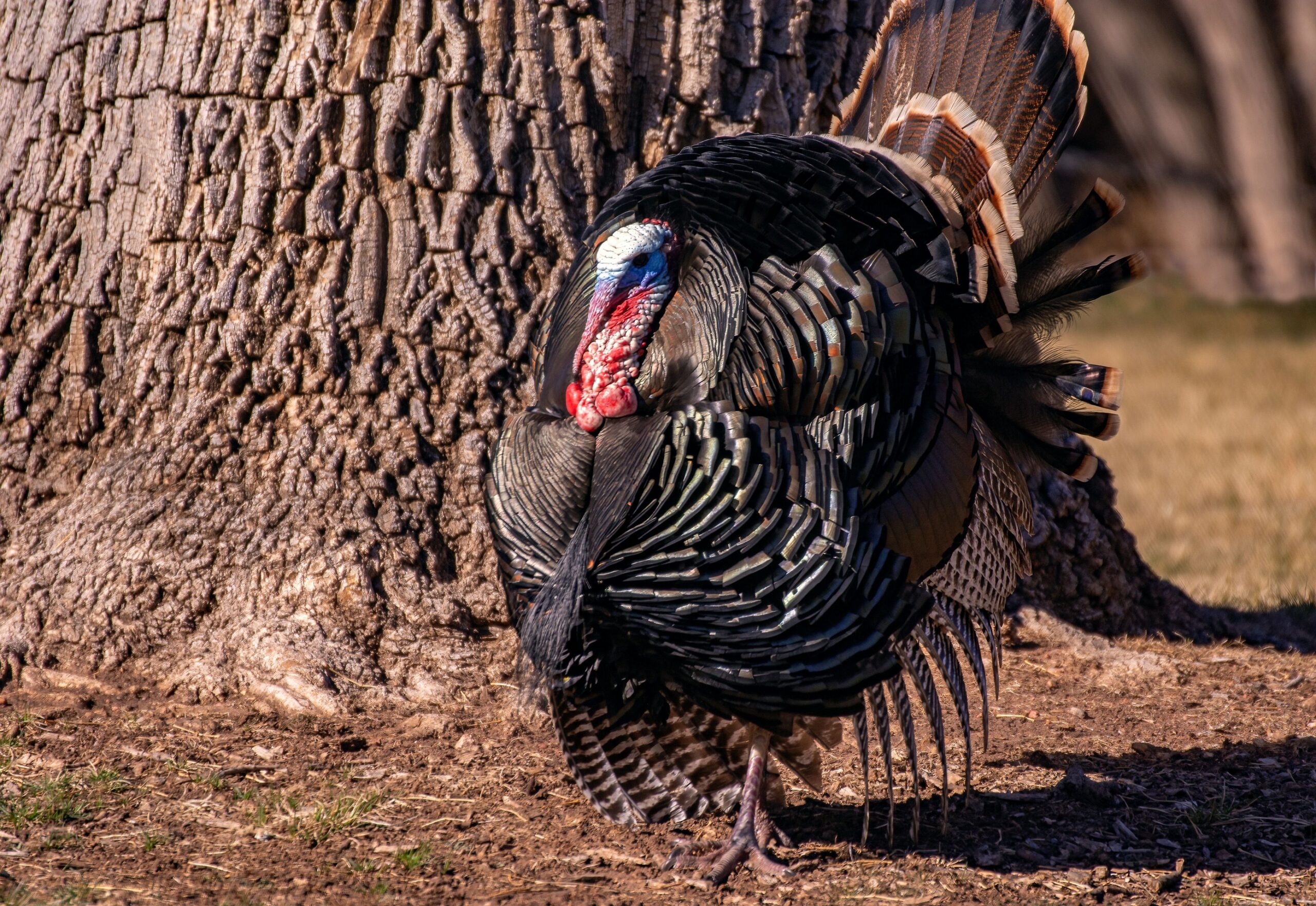
Have you ever wondered what that turkey eats that is on your Thanksgiving table? The bird much feasted on, especially during the Thanksgiving season, is the turkey.
There are six species of wild turkey that live in North America: Eastern, Osceola, Ocellated, Rio Grande, Merriam, and Gould Wild Turkeys.
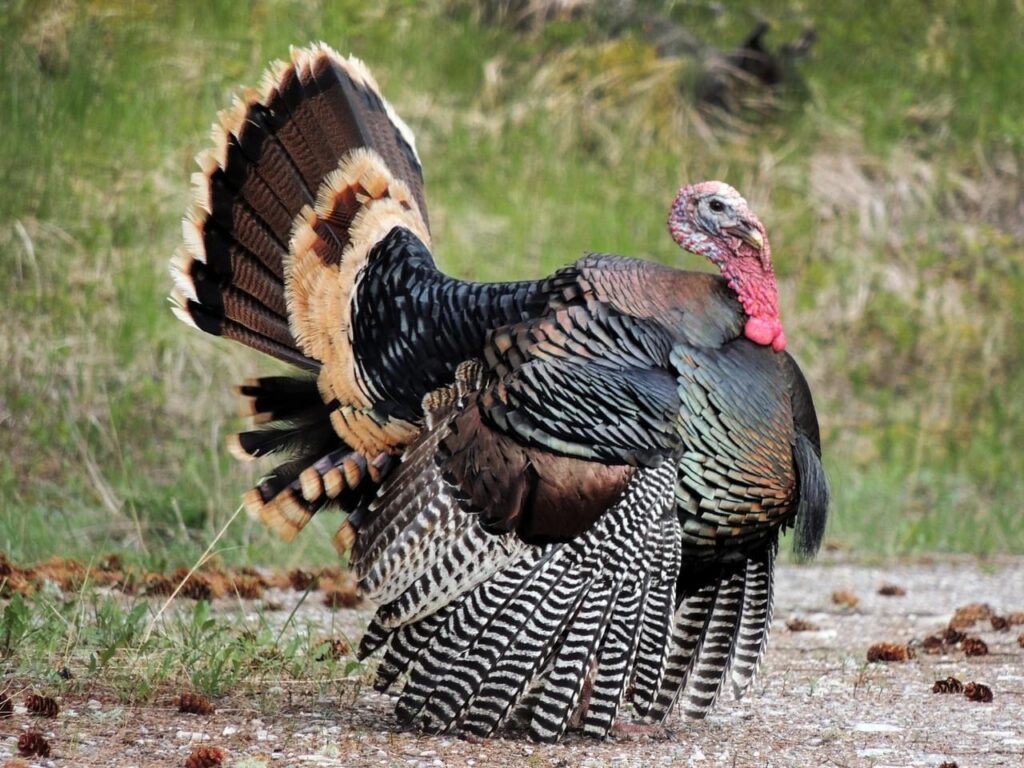
The species that dwell in the Great Smoky Mountains National Park are the Eastern Wild Turkey. This turkey is the most hunted subspecies of turkey. The Eastern Wild Turkey possesses the strongest gobble and the longest beard (wattle) of any other species.
Generally turkeys are one of the most widely distributed game bird species, hence them being a favorite dish when it is Thanksgiving.
The male turkey has black, iridescent plumage on his main body. He also features brown tail feathers and black and white striated wing feathers.
Wild turkeys live year-round in forests with interspersed clearings in 49 of the US states (excluding Alaska). They also inhabit parts of Mexico and portions of Southern Canada.
Turkeys have a varied diet. In fall, winter, and early spring wild turkeys scratch the forest floor for acorns from various types of oaks along with American beech nuts, pecans, hickory nuts, wild black cherries, and white ash seeds.
When it is winter turkeys have quite a different diet. During this cold time hemlock buds and various types of ferns are munched on.
Despite their large size wild turkeys can fly up to 55-60 mph in short bursts. At night wild turkeys fly into the trees to roost and protect themselves from predators, partially because they can’t locate things very well at night.
Unlike cats, who have excellent eyesight, wild turkeys can’t view their surroundings very well at night. However, these birds view 3x better in the day than humans.
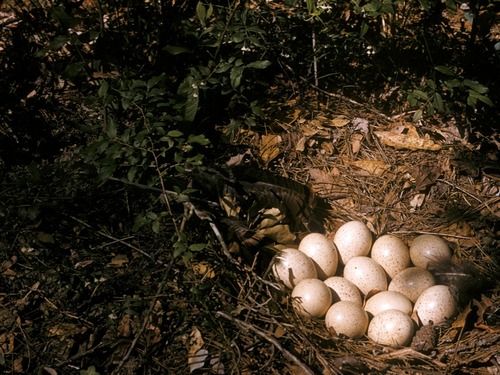
The wild turkeys’ clutch size, which is how many eggs are lain in one season, is 4-17 eggs. To add to that, their nest is also built capable for nurturing the eggs by providing warmth and shelter. Scratching a shallow depression in the soil the female leaves any present vegetation still intact.
The wild turkey population in the US in 2025 was approximately 6.5 million. Population varies state by state according to climate
The average turkeys harvested that same year in the United States was 569,730. North American Turkeys show wonderful design.
By learning about this impressive turkey you can reflect on their wonderful abundance and many varieties, while you eat your Thanksgiving dinner.

