

Great Smoky Mountains Elk: Rebirth, Stats & Rules
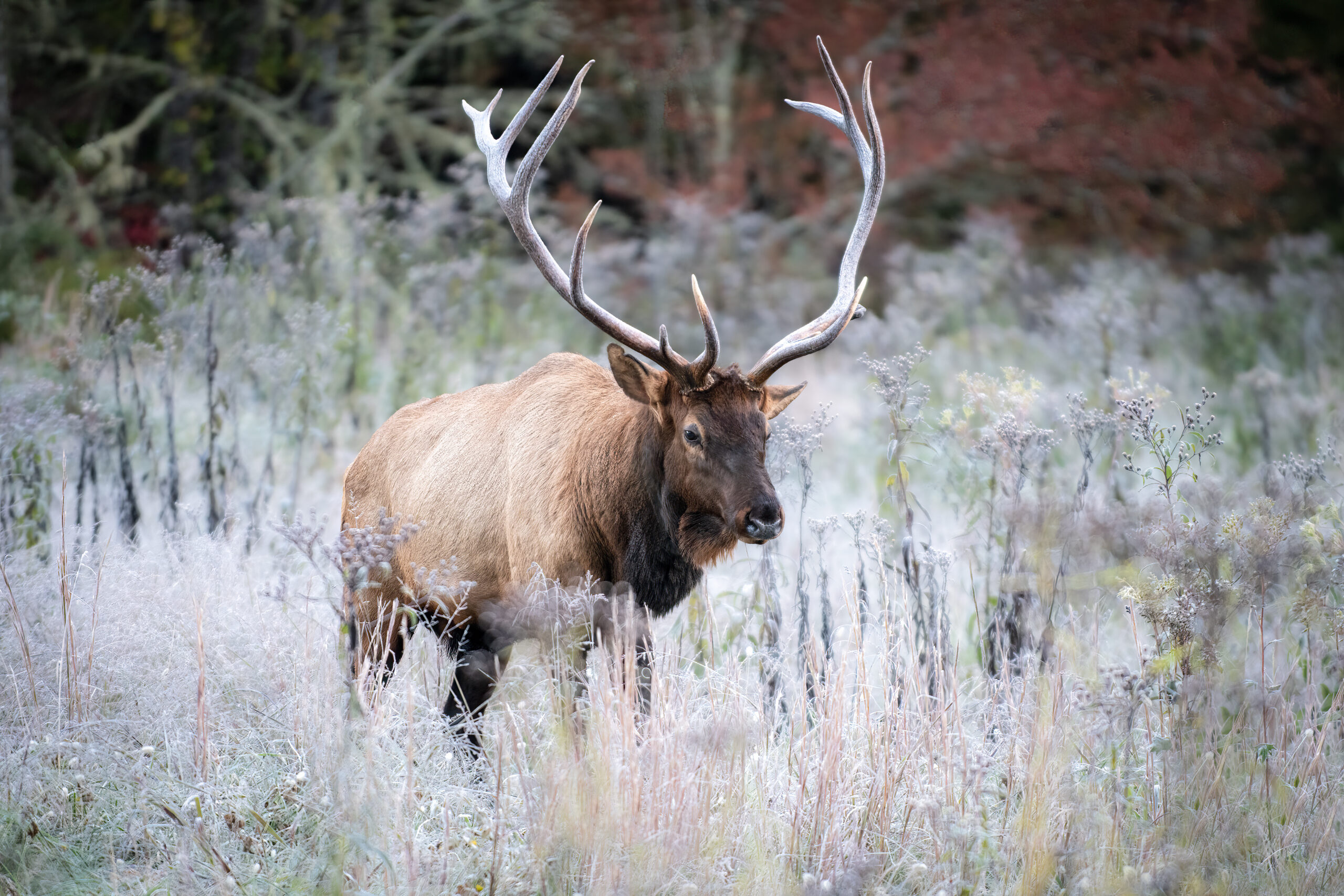
Elk are the most extensive animals in the Great Smoky Mountains National Park. The presence of these animals was not always abundant. From the late 1700s to the mid-1800s elk populations decreased dramatically, when these animals were over-hunted and had habitat loss. By the year 1900 elk levels across North America dropped to alarming numbers making concern about the animals’ possible extinction.
Thankfully in 2001 the National Park Service re-introduced 25 elk to the Cataloochee Valley in the Southeastern side of the Smokies, now close to the Caldwell Place.
Elk are majestic. Roaming free like birds from the original 25 elk you can now enjoy their abundance. North America has four species of elk: Roosevelt, Tule, Rocky Mountain, and Manitoban, which is the species in the Smokies, though not the original species.
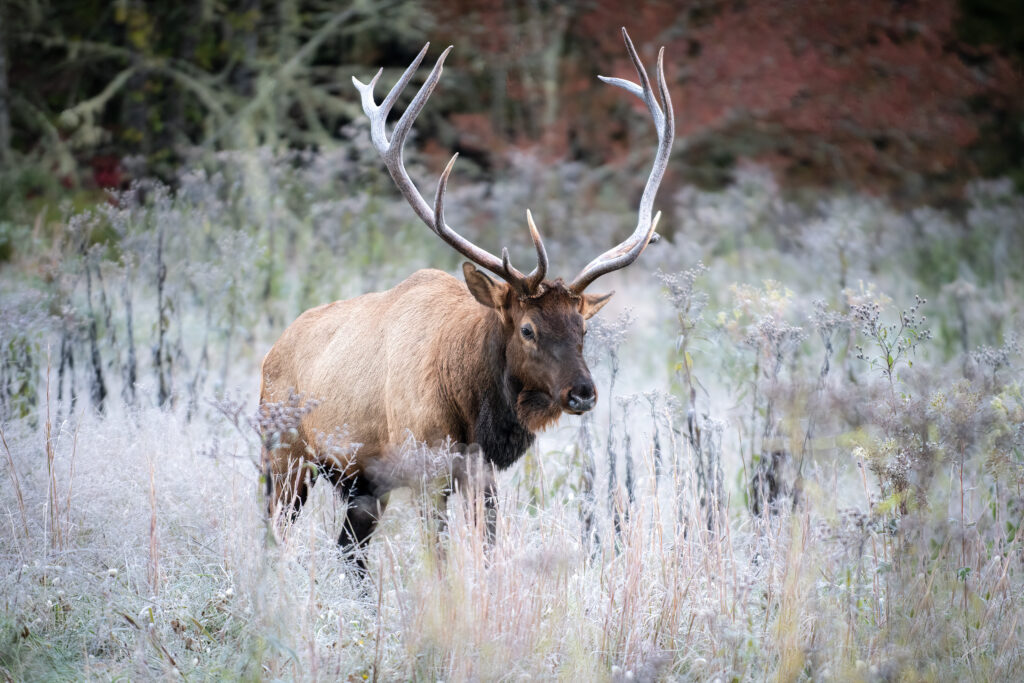
It’s important to note it is illegal to approach an Elk within 50 yards of it. Elk are the park’s most sizable mammal. They weigh around 700 pounds.
In West North Carolina approximately 270 elk with around 150 at least spending part of the year in the park. The elk here have an average lifespan of about 15 years.
These deer are herbivores that feed on grasses, shrubs, trees, and other plant life. An adult elk can reach in length seven-10 feet from nose to tail. Furthermore they stand four and a half to five feet tall at the shoulder.
Bull (male) Elk’s antlers can grow to 55-60 inches in length and span five feet in width weighing approximately 30 pounds.
When you want to view wildlife you must perform it safely and legally, bring binoculars or a monocular to view from a safe distance.
The elk mostly stay in Cataloochee Valley. The best viewing is in the early morning or late evening.
It is clear elk were miraculously designed and continue to perplex people, because of their size, when they visit the Great Smoky Mountains National Park.

